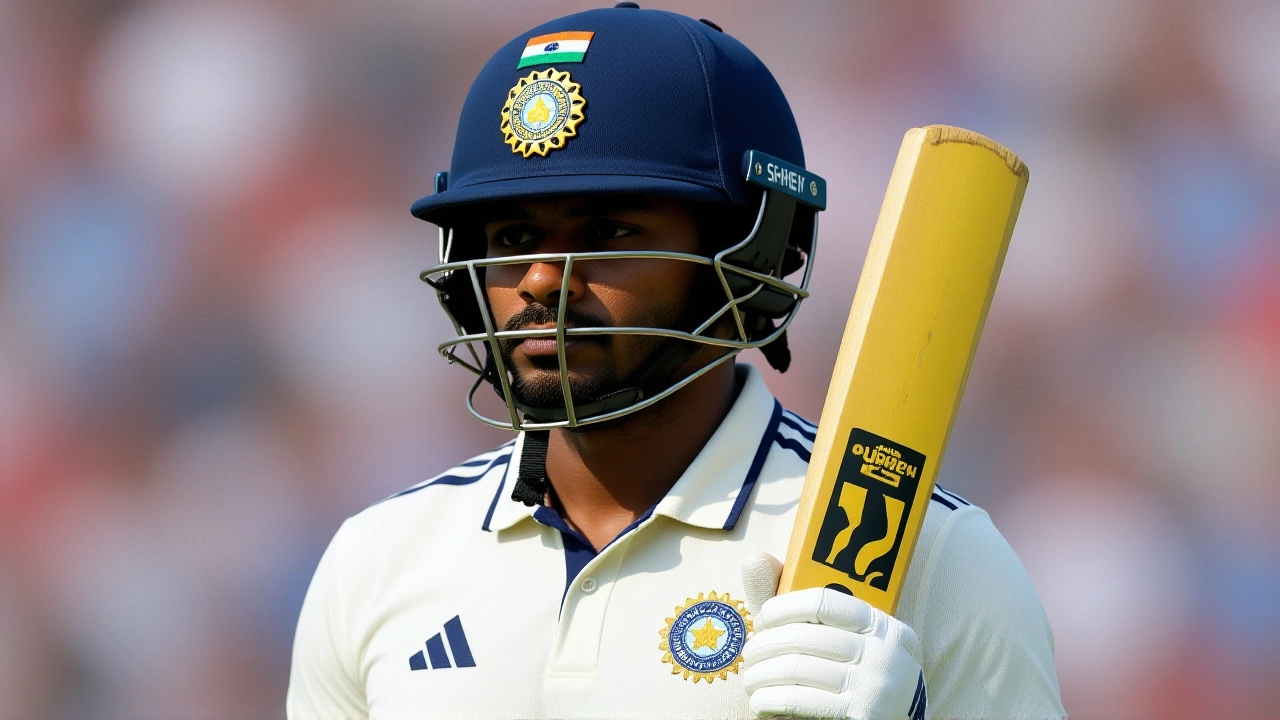
The shockwaves from Board of Control for Cricket in India (BCCI)’s decision to exclude Shreyas Iyer from the Asia Cup 2025Dubai squad hit harder than any six at the Dubai International Cricket Stadium. Announced on August 21, 2025, the omission wasn’t just surprising—it felt personal. Iyer, the 29-year-old middle-order stalwart who led Kolkata Knight Riders to the IPL final just months earlier, had been in scintillating form: 689 runs in 11 domestic matches this season, including two centuries. Yet, he was left out. And suddenly, everyone had an opinion.
Foreign Voices, Indian Fire
It wasn’t long before the controversy exploded beyond Indian borders. AB de Villiers, the legendary South African batter, dropped a bombshell on his YouTube channel: "There’s more here than form. Iyer’s leadership in the IPL? That’s not something you ignore. It’s a threat to certain egos." His words, though speculative, ignited a national debate. Was Iyer’s exclusion about cricket—or about control? Enter Sunil Gavaskar. The former India captain didn’t hold back in his November 25, 2025, column for Sportstar. "What is baffling," he wrote, "is that foreigners with no stake in Indian cricket... wade into the debate, adding fuel to the fire." Gavaskar’s fury wasn’t just at de Villiers—it was at the Indian media, too. "Why do we chase overseas players for quotes on our team? Do we need validation from someone who hasn’t played a Test here in 15 years?" His column was a masterclass in nationalist defense, but also a stark admission: the BCCI’s process has lost public trust.The ODI Squad That Made No Sense
The Iyer exclusion wasn’t an isolated glitch. The BCCI’s ODI squad announcement just weeks later felt like a puzzle with missing pieces. KL Rahul was named captain, Ravindra Jadeja returned after injury—but Axar Patel, a proven all-rounder who averaged 41 with the bat and 28 with the ball in 2025, was axed without explanation. Meanwhile, mystery spinner Varun Chakravarthy was included despite a strike rate of 12.4 in domestic cricket this season. No one could say why. The Hindustan Times called it "bizarre selection calls, no explanation and no logic." And they weren’t wrong. The team that faced South Africa in the Test series in Guwahati—battling a 489-run first-innings lead—was reduced to 201 all out, collapsing from 95/2 to 122/7. The batting order? Four all-rounders. Washington Sundar, a part-timer, batting at No. 3. The result? A loss. And no one in charge offered a coherent rationale.The Silent Protest: Karun Nair’s Tweet
While the headlines focused on Iyer, another quiet rebellion was unfolding. On Day 3 of the second Test in Guwahati, as India’s top order imploded, Karun Nair, the 33-year-old former Test triple-centurion, posted a single line on X: "Still waiting for my turn." No hashtags. No emoji. Just that. The tweet went viral. Nair, who scored 303* against Karnataka in 2025 and averaged 64 in the Ranji Trophy this season, has been ignored since 2018. His omission isn’t about form—it’s about silence. Ravichandran Ashwin responded with "Adei" and a laughing emoji—a gesture that felt less like mockery and more like solidarity. It was the cricketing equivalent of a nod in a crowded room: "I see you. And I know it’s wrong."Geopolitics and the No-Handshake Policy
Even the field of play became a political stage. BCCI secretary Devajit Saikia confirmed on November 21, 2025, that the "no-handshake policy" with Pakistan would remain. "I am not an astrologer," he said. "The situation between our countries isn’t conducive." The policy, first enforced after Suryakumar Yadav refused to shake Salman Ali Agha’s hand in Dubai, now feels less like protocol and more like punishment. But here’s the twist: the same team that won’t shake hands with Pakistan is being questioned for not picking a player who’s scored 1,200 runs in domestic cricket this year. The disconnect is staggering.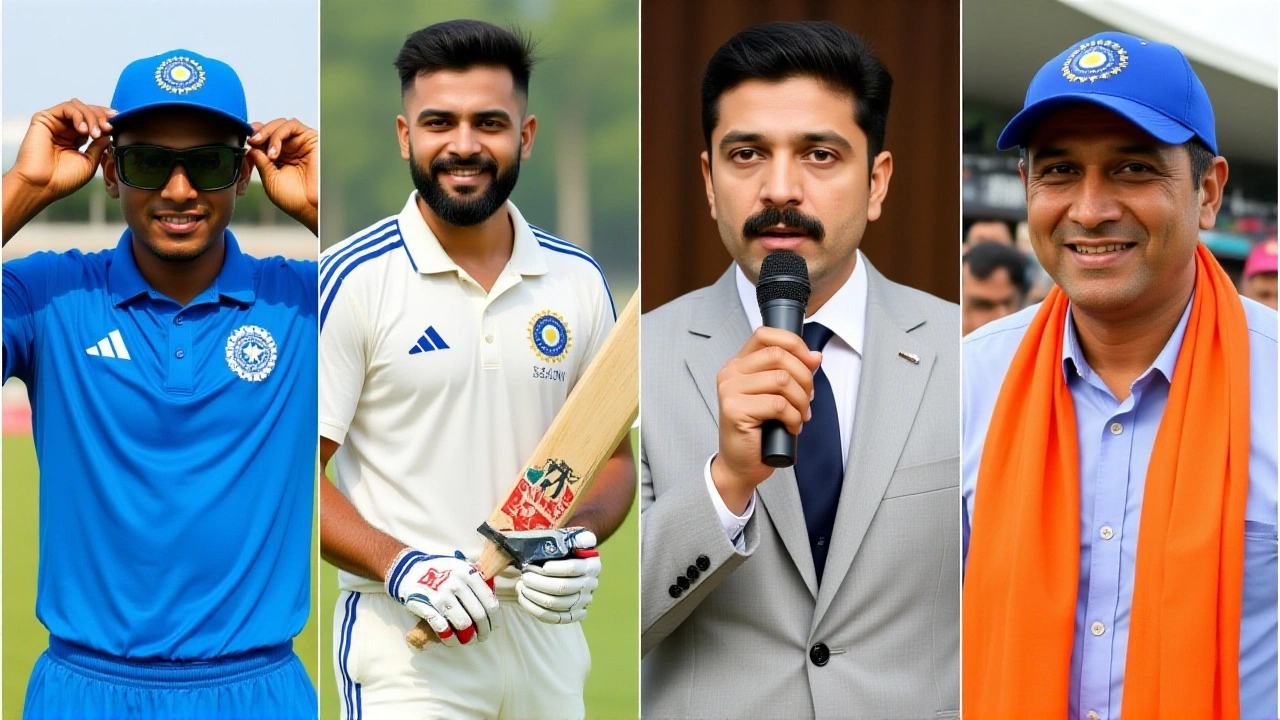
Who’s Really in Charge?
The real question isn’t whether Iyer deserved a spot. It’s whether anyone knows what criteria they’re using. Head coach Gautam Gambhir and selection chair Ajit Agarkar have offered no clear framework. Is it age? Loyalty? IPL performance? Captaincy potential? The silence speaks louder than any statement. As Sportskeeda reported, a former India cricketer put it bluntly: "Unki koi galti nahin hai." They have no fault. The problem isn’t the coaches—it’s the system. A system that rewards silence over substance, politics over performance, and perception over proof.What’s Next for Indian Cricket?
The Asia Cup 2025 begins in less than two weeks. India’s squad is set. But the damage is already done. Young talents in the domestic circuit are watching. They see Iyer, Nair, Axar—players with proven records—left out without a word. And they’re asking: "Why bother?" If the BCCI doesn’t publish transparent selection criteria by the end of 2025, it won’t just lose fans—it will lose its next generation of stars. Talent won’t wait for bureaucracy. It’ll go elsewhere.Frequently Asked Questions
Why was Shreyas Iyer left out of the Asia Cup 2025 squad despite his recent form?
Despite scoring 689 runs in 11 domestic matches this season—including two centuries—and leading KKR to the IPL final, Iyer’s omission appears tied to perceived leadership conflicts rather than performance. AB de Villiers suggested an "ego clash" with existing senior players, while BCCI has offered no official explanation. His exclusion contradicts his consistent domestic output and recent IPL leadership success.
What role did Sunil Gavaskar play in the controversy?
Gavaskar condemned foreign commentators like AB de Villiers for weighing in on Indian team selection, calling it inappropriate interference. In his November 2025 column, he also criticized Indian media for seeking validation from overseas players, arguing that Indian cricket decisions should be made by Indians, for Indians—highlighting the tension between nationalism and transparency in selection.
Why was Axar Patel dropped from the ODI squad while Varun Chakravarthy was included?
Axar Patel, who averaged 41 with the bat and 28 with the ball in 2025, was excluded without explanation, while Varun Chakravarthy—a mystery spinner with a poor domestic strike rate of 12.4—was selected. The decision, criticized by the Hindustan Times as "illogical," suggests selection priorities may be based on novelty or internal bias rather than data-driven performance metrics.
How did Karun Nair’s social media post reflect broader issues in Indian cricket?
Nair’s cryptic tweet—"Still waiting for my turn"—after India’s batting collapse against South Africa resonated because he’s a 33-year-old triple-centurion with 1,200+ domestic runs this season, yet remains uncapped since 2018. His silence, amplified by Ashwin’s response, symbolizes how talented domestic performers are overlooked due to opaque selection systems that favor familiarity over merit.
Is the no-handshake policy with Pakistan affecting team selection?
No, the no-handshake policy is a separate geopolitical stance and doesn’t directly impact selection. However, its existence reflects the BCCI’s tendency to let external politics influence cricketing decisions, which has eroded public confidence in the objectivity of selection panels. The same body that refuses handshakes also refuses to explain why a player like Iyer is left out.
What needs to change in BCCI’s selection process?
The BCCI must publish clear, data-backed selection criteria—including performance benchmarks, leadership evaluation metrics, and injury protocols—and appoint an independent oversight panel. Without transparency, players like Iyer, Nair, and Axar will continue to be sidelined not because they’re unqualified, but because the system rewards silence over substance.